

Performance reviews are supposed to do three things: surface real contribution, fuel development, and create confidence in talent decisions. Too often they fail at all three. Quiet high-performers go unnoticed, visible personalities get rewarded for being loud rather than impactful, and managers burn time trying to stitch together fragmented inputs from across the year. When the system feels unfair, engagement drops and the organization loses both energy and talent.
Fixing reviews isn’t a matter of adding one clever feature or ranting about bias. It’s a matter of design: how you structure information, who gets to speak, how decisions are surfaced, and what comes next. Below is a practical framework — grounded in what modern HR teams are actually doing — for turning reviews into a system people trust.
Below are 11 practical ways to redesign performance reviews so they are fair, useful, and trusted.
Bias doesn’t always show up as bad intent. Most of the time, it hides inside habits — who we notice, who we relate to, what we assume “good” looks like.
Before every review cycle, it’s worth asking:
That simple pause changes everything. It reminds reviewers that feedback is a judgment call — and that judgment isn’t neutral.
After the cycle ends, the work isn’t over. Look for patterns. Are certain teams or demographics consistently rated lower? Do promotion trends match performance review data? Fair systems aren’t built once. They’re maintained.
How to start: require a one-line example justifying each high/low rating; add a quick checklist (“Am I recalling the full year or just the last 90 days?”).
Watch for: managers who give identical scores to everyone or teams with very low rating variance.
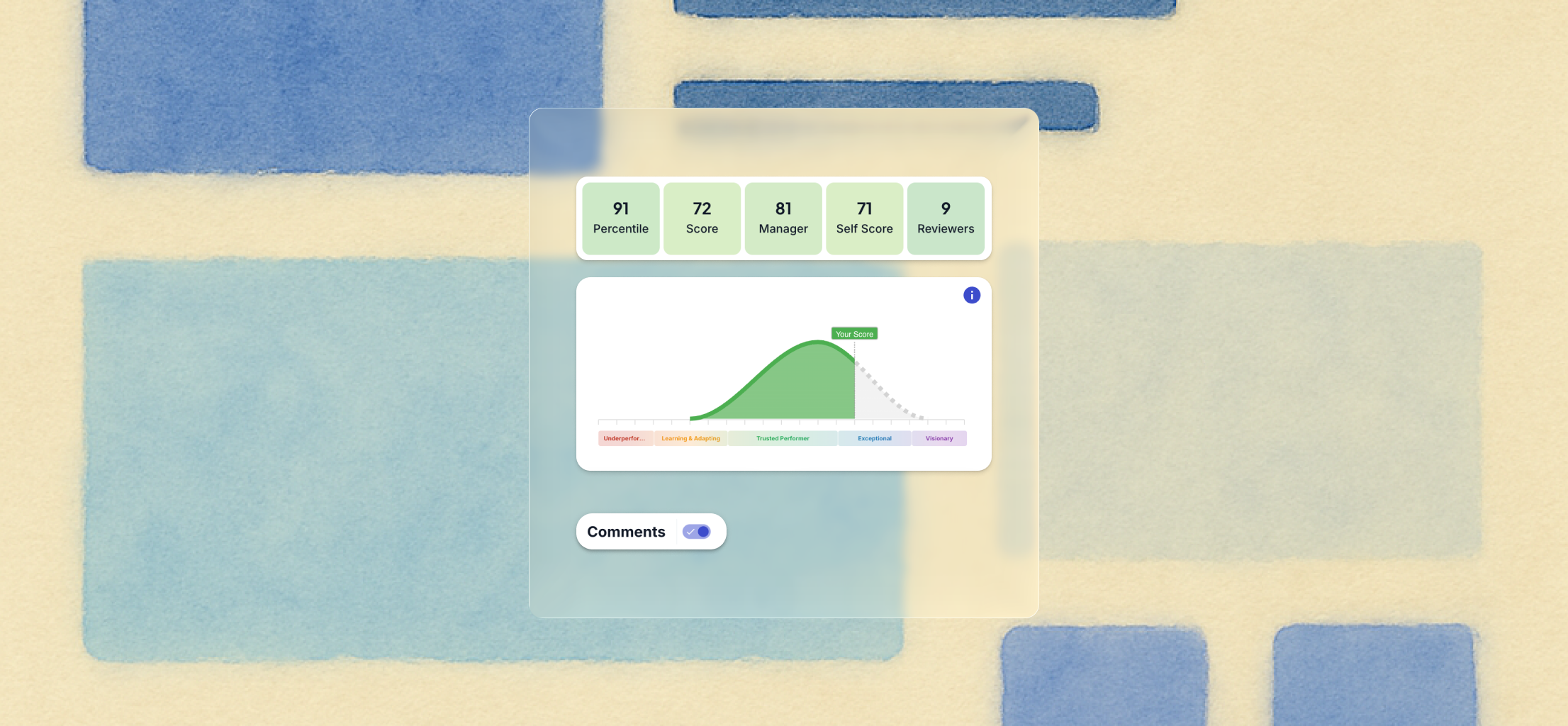
No one person can see every angle of someone’s contribution — not the full effort, the tradeoffs, the impact behind the scenes. That’s why the best reviews bring in multiple perspectives: manager, peer, and self.
Each view fills in the gaps the others can’t. Together, they show a version of truth that feels fuller, not filtered.
When people know their work is being seen from more than one angle, they’re more likely to trust the process — and believe the feedback was earned, not guessed.
How to start: require a minimum of 2-3 peer inputs (project-based) and a 3–5 question structured self-review.
Watch for: large gaps between self and peer ratings — they’re worth a one-on-one.
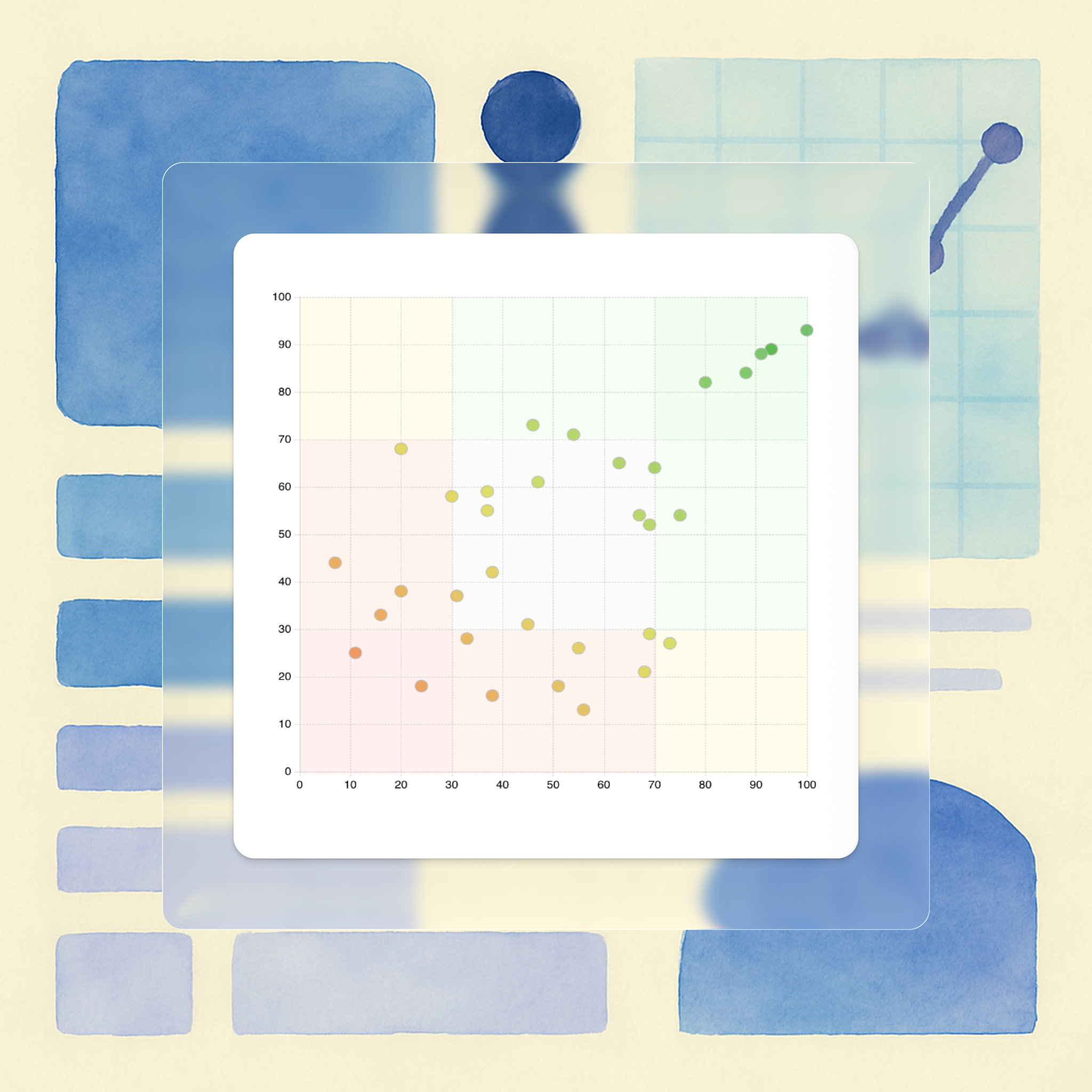
Numbers can help us see what instincts miss. Patterns in ratings or promotions can reveal bias that individuals can’t see in themselves.
But data isn’t the goal — it’s a flashlight. It shows you where the system might be failing people. Metrics without conversation just create new blind spots.
Use data to start better questions, not end them.
How to start: publish a short dashboard before calibration (rating distributions, completion rates, promotion conversion).
Watch for: managers whose ratings trend out of line with peers — invite them to explain before decisions are finalized.
Collecting feedback is easy. Acting on it is the hard part.
Fair systems don’t stop at measuring performance — they help people use what they learn. They make it easier for managers to turn insights into coaching, and for employees to turn feedback into growth.
That’s how performance reviews stop reflecting the past and start investing in what’s next.
How to start: templates with “Objective / 3 Actions / Checkpoint date.” Link to a learning resource or micro-mentoring session.
Watch for: how many sprints are completed by the next cycle.
Annual reviews compress a year of work into a single high-stakes moment. Quarterly (or monthly) micro-reviews make feedback habitual and reduce recency bias. Shorter cycles also make calibration faster because the data is fresher and narrower.
How to start: pilot 30-day open windows and a short 10–15 minute manager check-in.
Watch for: review completion rates and manager time per cycle to confirm the cadence is sustainable.
Performance reviews shouldn’t feel like a courtroom verdict. They should feel like a conversation — one where feedback moves both directions. When employees get to weigh in on their own experience, goals, and even their manager’s support, they’re not just being evaluated — they’re being heard. That’s where trust (and retention) actually grows.
How to start: Add anonymous upward-feedback form to your 360, include peer inputs, and require managers to publish a one-paragraph reflection describing what they learned and the concrete change they’ll try.
Watch for: Rising participation in upward feedback, an increase in timely manager reflections, improvement in manager-effectiveness scores, and follow-through on manager-proposed actions within the next review cycle.
Giving good feedback is a skill. Practical role-plays, live coaching, and anchors for language (what “needs improvement” sounds like, what “exceeds” looks like) make a bigger difference than policy memos. Training should be short, actionable, and repeated before each cycle.
How to start: a 90-minute workshop with sample cases and a feedback script; then micro-lessons before each cycle.
Watch for: improvements in feedback quality as rated by employees.
Nothing kills morale faster than mystery math. When employees don’t understand how ratings, scores, or promotions are decided, even fair systems feel unfair. Be clear about how decisions are made. Publish the process, not just the outcomes. Transparency doesn’t create chaos — it creates accountability.
How to start: one-page “How decisions are made” explainer for employees and managers.
Watch for: employee survey items on fairness and clarity.
People who work together are the best judges of cross-functional impact. Allow employees to suggest reviewers (and require a minimum number of reviewers from other pods/functions), then use a balancing rule to avoid popularity bias. That captures real contributors while keeping the dataset objective.
How to start: nomination flow + algorithmic balancing (e.g., min 2 outside-function reviewers).
Watch for: increased peer-review coverage and correlation with collaboration logs.
AI should never be the one deciding who’s “good.” But it can make feedback better — by spotting bias, suggesting rewrites, and prompting reviewers to get specific. Used right, AI doesn’t replace judgment — it refines it.
AI can summarize long text, surface patterns, and suggest neutral phrasing — use AI to prepare concise callouts and to flag potential biased language. Always require humans to validate AI suggestions, especially when comp or promotion is at stake.
How to start: auto-generate a 3–5 line summary and suggested areas for growth; log AI edits separately.
Watch for: manager adoption of summaries and audit AI outputs periodically.
Fairness isn’t a one-time project. It’s maintenance. The world changes, roles shift, expectations evolve — your review process should too. Regularly review the reviewers. Check calibration patterns. Test what’s working, fix what’s not. A system that learns is a system people can trust. That transparency reinforces trust and accelerates improvement.
How to start: treat your review process like a product: measure its health, run experiments, and publish the results of major changes for the organization.
Watch for: improvements in calibration variance, promotion parity, and trust survey metrics.
You can’t design a perfect system. But you can design a fair one — one that keeps learning, keeps checking itself, and keeps trust alive.
That’s what turns performance reviews from a dreaded ritual into something people actually believe in.
If your team is ready to move from paperwork to a fair, repeatable review system, Incompass can help. Our platform combines quick rollouts, behavior-aligned 360° feedback, AI-generated summaries, and live calibration so you can run lightweight cycles that managers actually complete. Book a demo to see how a one-week implementation and a 30-day review window can transform how your organization gives and acts on feedback.